

par FireFox Gold Corp (NASDAQ:FFOXF)
FireFox Gold Drilling Extends East and Northeast Zones at Mustajärvi Project in Lapland, Finland
SODANKYLÄ, FI / ACCESS Newswire / August 5, 2026 / FireFox Gold Corp. (TSX.V:FFOX)(OTCQB:FFOXF) ("FireFox" or the "Company") is pleased to report assay results from six additional drill holes completed at its 100%-owned Mustajärvi Gold Project in Lapland, Finland. Three of the holes successfully expanded the Northeast and East gold zones, and three holes identified new gold mineralization in the area between those zones (see Figure 1 and Table 1). Drilling continues at the project with two rigs presently on site. FireFox significantly exceeded its plans for approximately 10,000 metres of drilling during the winter and spring campaign; and data from an additional 19 drill holes are pending.
Selected intervals from this round of results are highlighted below:
Drill hole 26MJ007 (East Zone): 2.9 metres at 11.55 g/t gold from 242.8 metres depth, including 2.0 metres at 16.48 g/t gold;
Drill hole 26MJ006 (Northeast Zone): 5.9 metres at 5.09 g/t gold from 133.5 metres depth, including 1.0 metre at 23.9 g/t gold;
Drill hole 26MJ010 (East Zone): 7.3 metres at 3.63 g/t gold from 142.5 metres depth, including 2.15 metres at 11.38 g/t gold;
Drill hole 26MJ011 (Gap Zone): 1.5 metres at 16.11 g/t gold from 207.2 metres depth; and
Drill hole 26MJ006 (Northeast Zone): 5.5 metres at 3.99 g/t gold from 122.0 metres depth, including 1.5 metres at 11.77 g/t gold.
The most significant advancements from these six holes are new additions on the south and southwest side of the East Zone from drill holes 26MJ007 and 26MJ010 and the new intercept from 26MJ006 that advances the Northeast Zone to the northeast and closer to surface (see Figure 1). Current permit boundaries and buffer zones only permit limited drilling into the so-called Gap Zone, between the Northeast and East Zones, but all three holes into this gap intersected significant gold, including a substantial intercept in 26MJ011 at depth.
During late 2025, the first drilling into the Gap Zone yielded intercepts such as 1.95 metres averaging 54.91 g/t Au from 102.75 metres (drill hole 25MJ009) and 7.6 metres averaging 32.25 g/t gold from 172.0 metres depth (drill hole 25MJ012). See Company news releases dated February 9, 2026 and February 25, 2026.
Carl Löfberg, FireFox's CEO, commented, "The next six holes in our ongoing drill program at Mustajärvi continue to expand the footprints of the Northeast and East Zones, but we are also able to trace mineralization into the gap between these two known lodes. Even though most of these holes are step outs on the margins of the main zones, all six holes include intervals with greater than 4.0 g/t gold. We are excited about the growth on the south and southwest margins of the East Zone and the shallow expansion of the Northeast Zone in drill hole 26MJ006, and it is a good time for a reminder that we have two drill rigs simultaneously at Mustajärvi for the first time in the project's history. There is lots of news to come as the team works to process core, integrate and interpret results, and keep up with efficient drillers. The team has also been busy with follow-up drilling at the Sarvi Project. The late summer and fall of 2026 promise to be some of the most productive times ever for FireFox Gold."
Mustajärvi Project and Details of Drill Results
The Mustajärvi Project lies along the highway between the cities of Kittilä and Sodankylä, approximately 17 kilometres east of Kittilä. FireFox and predecessor companies drilled approximately 15,752 metres prior to commencement of the current program and delineated three different lodes of gold mineralization along more than two kilometres of strike. Inclusive of these drill holes, the total drilling on the project is now 25,744 metres.
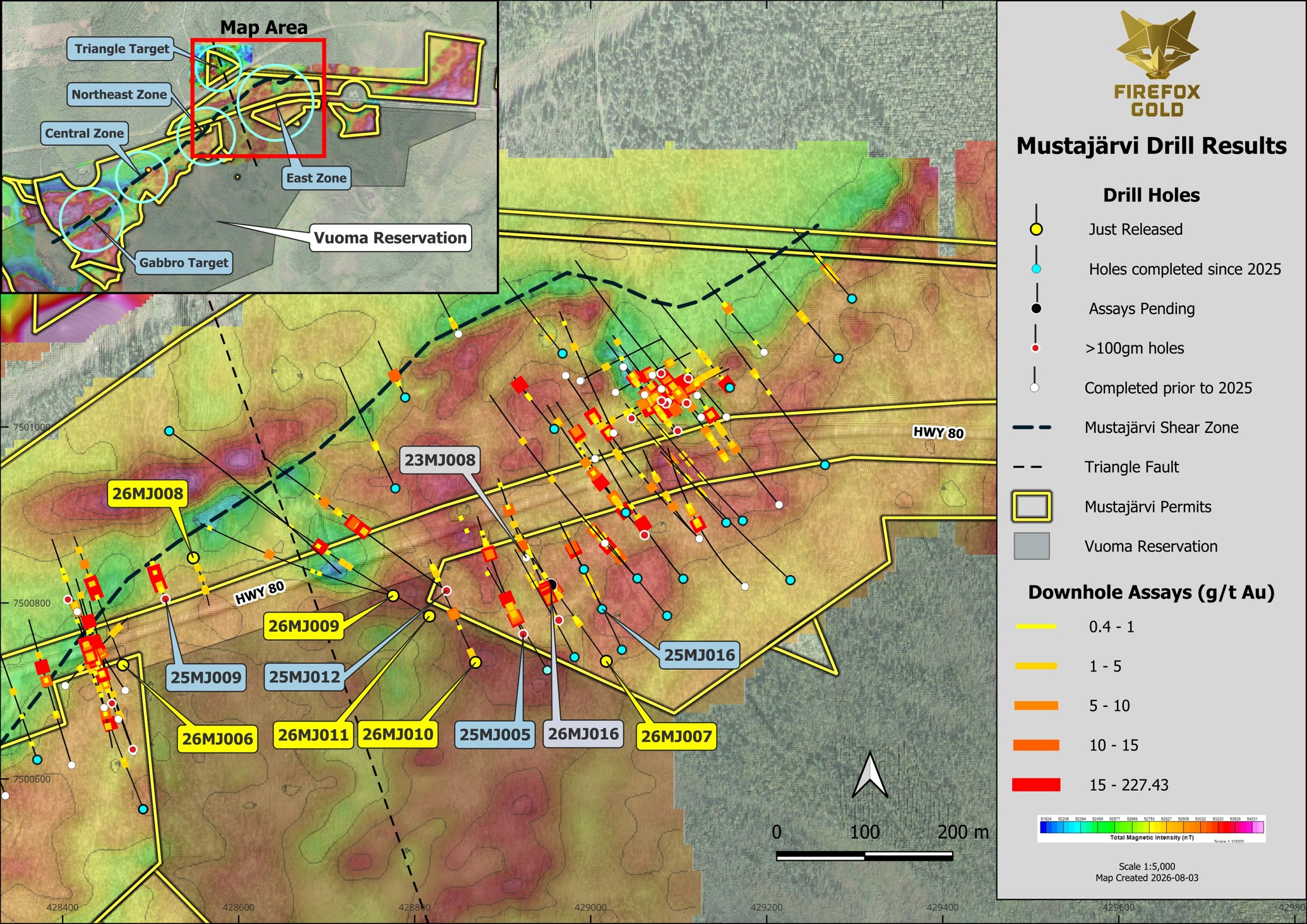
Figure 1 - Mustajärvi Project Area with the Locations of Drill Holes 26MJ006 through 26MJ011.
Mustajärvi Northeast Zone
Drill hole 26MJ006 was collared to the northeast from the core of the Northeast Zone, testing for shallower continuation of the mineralization. The hole is also located 88 metres southwest of step-out hole 25MJ009 (see comments above). Hole 26MJ006 was collared in thin glacial sediments (approximately 6.4 metres deep) and intersected the contact between Savukoski ultramafic volcanic rocks and Sodankylä metasediments at 39.8 metres downhole. The hole successfully identified strong mineralization less than 100 vertical metres below surface. Two mineralized intervals began from 122.0 metres downhole with 5.5 metres averaging 3.99 g/t Au, including 1.55 metres at 11.77 g/t Au, followed by a thin section of waste before passing into 5.9 metres that averaged 5.09 g/t Au, including 1.0 metre at 23.9 g/t Au from 133.5 metres depth. Deeper in the hole, narrower zones of alteration and isolated veining account for several intervals of lower grade mineralization, as well as one assay of 6.24 g/t Au over 0.8 metres.
There is strong albite-sericite alteration with pervasive hematite in the mineralized zones. As is common in both the Northeast and East Zones, quartz-carbonate-tourmaline-pyrite (QCTP) veins cut the rocks at variable orientations. Disseminated and clots of pyrite also tend to be associated with mineralized intervals. The mineralization in this area is hosted by strongly deformed and altered metasedimentary rocks and an apparent fault zone associated with the upper interval, as indicated by the presence of quartz breccias. The strongest mineralization in the Northeast Zone appears to be near the apex of folds with some evidence for faulting associated with fold axes.
Combined with the last drill hole into the Northeast Zone (26MJ005, reported May 5, 2026), this result helps the FireFox team confirm a north to south plunge for the heart of the Northeast Zone (see Figure 2). The upward and northeast continuation of the higher-grade mineralization (> 3 g/t) encountered in 26MJ006 opens up the northern end of the Northeast Zone for more drilling. Whereas drillhole 26MJ005 encountered a new high-grade zone at depth on the south end of the zone, which remains open at depth and along strike.
Mustajärvi East Zone
Drill hole 26MJ007 was collared on the south edge of the East Zone as part of the in-fill and step-out drill pattern. It is the southern anchor in a drill fence that includes holes 26MJ016 (assays pending) and 23MJ008, located 150 metres to the north-northwest (reported July 27, 2023). This hole was collared in thin glacial sediments (approximately 2.8 metres deep) and intersected the contact between Savukoski ultramafic volcanic rocks and Sodankylä metasediments at 125.95 metres downhole. Several low-grade gold intervals started immediately below the contact between ultramafic rocks and metasediments, including 4.0 metres averaging 1.01 g/t Au at 132 metres depth, where mineralization is associated with QCTP veining and disseminated pyrite, hosted in strongly, pervasively albite-altered metasediments. Deeper in the hole at 220 metres, the drill intersected another interval of 1.0 metre at 4.01 g/t Au. Mineralization here is associated with tourmaline and quartz veining with disseminated pyrite hosted in strongly albite-altered metasediments.
The hole passed through numerous narrow zones of veining and alteration before hitting a thicker QCTP vein with open space and patchy clots of pyrite that hosted a high-grade zone yielding 2.9 metres of 11.55 g/t Au, including 2.0 metres at 16.48 g/t Au, from 242.8 metres downhole. This vein-controlled high-grade zone occurs within a broad zone of strong albite alteration with variable hematite.
Drill hole 26MJ010 was collared approximately 62 metres southwest of hole 25MJ005, which was one of the best holes on the property, reporting multiple high-grade intervals including 13.75 g/t gold over 12.4 metres (see Company news release dated December 8, 2025).
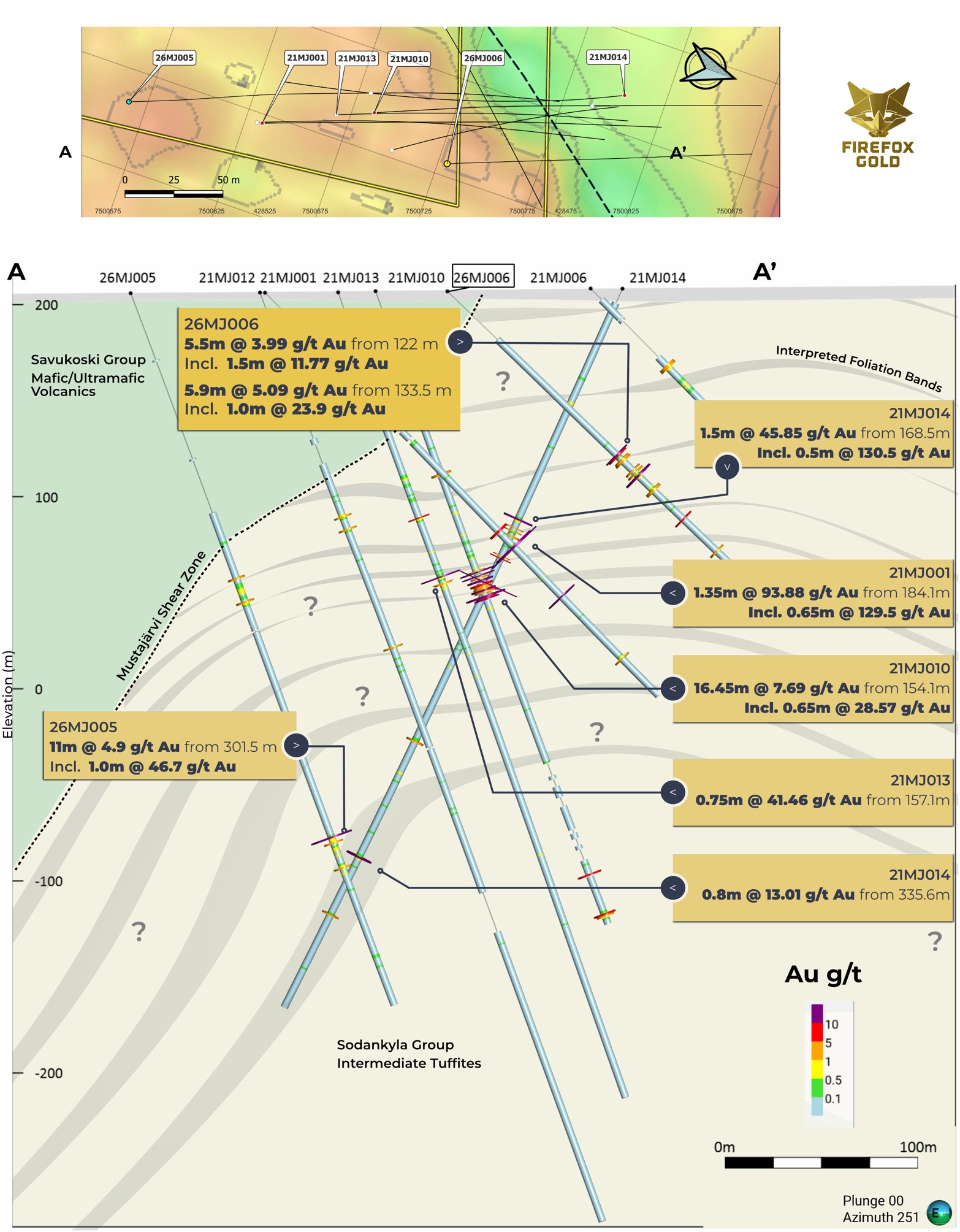
Figure 2 - Updated Cross Section through Northeast Zone with New Drillhole 26MJ006.
This drill hole passed directly into pyrite-mineralized quartz breccia immediately beneath the glacial sediment overburden from 7.4 metres to 13.4 metres downhole. This first mineralized interval returned 6.0 metres averaging 1.38 g/t Au, including 1.75 metres averaging 3.25 g/t Au. The hole intersected another near surface, narrow interval from 31.0 metres, which returned 1.0 metre at 1.33 g/t Au. Gold here is associated with strongly albite-altered metasediments with quartz veining and patchy pyrite mineralization.
Deeper in the hole, a strongly mineralized interval was encountered from 142.5 metres downhole, yielding 7.3 metres averaging 3.63 g/t Au, including 2.15 metres averaging 11.38 g/t Au. This interval also included 0.3 metres of core loss that was assumed to contain 0.0 g/t Au. This gold intercept occurs in strongly albite-altered metasediments just below several thin gabbro dikes or sills. The altered metasedimentary rocks are cut by abundant quartz veins, semi-massive clots of pyrite, and quartz breccia with tourmaline fracture filling.
At 278.6 metres downhole, the drill intersected a long low-grade mineralized interval yielding 10.8 metres averaging 0.74 g/t Au. This represents the immediate footwall of another gabbro dike or sill, which is comprised of strongly deformed and albite-sericite-altered metasedimentary rocks with abundant quart-carbonate-tourmaline veining and disseminated pyrite. There are narrow zones of albite alteration and quartz-carbonate-pyrite veins within the gabbro that sometimes contain gold, such as the 1.0-metre-wide zone that averages 2.67 g/t Au from 269.0 metres downhole.
Mustajärvi Gap Zone
Drill hole 26MJ011 was collared 36 metres southwest from 25MJ012 and cut through strongly-albite altered metasediments immediately beneath the thin glacial sediments (approximately 6.4 metres deep). The upper part of the hole is comprised of altered metasedimentary rock that is regularly crosscut by gabbro dikes up to 17.95 metres thick. The first mineralized interval was intersected at 150.95 metres downhole and yielded 0.95 metres at 3.81 g/t Au, where the gold is associated with pyrite in deformed quartz veins. Another gold-mineralized interval returned 2.0 metres averaging 2.19 g/t Au from 163.0 metres. The gold in these intervals is associated with patchy pyrite within the quartz-carbonate veins cutting strongly albite-altered metasediments.
At 207.2 metres downhole, the drill intersected a highly gold-mineralized interval of 1.5 metres averaging 16.11 g/t Au. This high-grade interval is associated with a fault zone, evidenced by fracturing and quartz-pyrite veins, in altered tuffites of intermediate composition. The tuffites are albite-sericite-hematite altered with evident quartz-pyrite veins with varying degrees of pyrite oxidation.
Narrow intervals of less than 1.0 g/t gold mineralization occur deeper in the hole associated with QCTP veinlets and disseminated pyrite.
Drill hole 26MJ008 was collared 57 metres to the northeast from 25MJ009. FireFox drilled this hole to the south-southeast to test for structural controls as well as the continuation of mineralization towards the east. The hole was collared in thin glacial sediments (approximately 5.8 metres deep) overlying ultramafic volcanic rocks and cut the contact with metasediments at 28.05 metres downhole. The hole hit multiple narrow intervals of modest grade from 43.8 to 243 metres depth. The lower grade intervals are typically related to QCTP veins crosscutting moderately to intensely albite-sericite altered metasedimentary rocks.
The hole had its best intercept starting at 148.25 metres depth, returning 1.3 metres at 4.81 g/t Au before passing into a likely fault zone that included 0.45 metres of core loss (not included in the reported interval). FireFox geologists interpret a broad zone of faulting in this hole from about 27 metres to 150 metres downhole, as evidenced by a high degree of fracturing, brecciation, oxidation, and core loss.
Drill hole 26MJ009 was collared 60 metres to west from hole 25MJ012 and drilled to the west-northwest. The drill passed through strongly albite-altered and deformed tuffite and metasedimentary rocks but did not encounter a high-grade gold zone, as seen in 25MJ012. The hole intersected three individual narrow gold mineralized intervals, the best of which was 5.4 g/t Au over 1.0 metre from 219.0 metres downhole. Here again, gold is associated with quartz and quartz-tourmaline veining with pyrite as fracture fill, clots and disseminated grains.
Table 1. Selected Drill Intercepts in Drill holes 26MJ006 - 26MJ011
(Cut-off Grade 0.3 g/t Au)
Drill Hole | From (m) | To (m) | Interval (m) | Au Grade (g/t) | |||||
26MJ006 | 114.2 | 115.2 | 1.0 | 0.45 | |||||
122.0 | 127.5 | 5.5 | 3.99 | ||||||
Including | 122.0 | 123.5 | 1.5 | 11.77 | |||||
133.5 | 139.4 | 5.9 | 5.09 | ||||||
Including | 137.4 | 138.4 | 1.0 | 23.9 | |||||
146.35 | 149.55 | 3.2 | 1.0 | ||||||
170.0 | 170.8 | 0.8 | 6.24 | ||||||
194.0 | 195.0 | 1.0 | 1.07 | ||||||
26MJ007 | 127.0 | 128.0 | 1.0 | 1.89 | |||||
132.0 | 136.0 | 4.0 | 1.01 | ||||||
145.0 | 147.0 | 2.0 | 0.62 | ||||||
220.0 | 223.0 | 3.0 | 1.46 | ||||||
Including | 222.0 | 223.0 | 1.0 | 4.01 | |||||
228.0 | 229.0 | 1.0 | 0.85 | ||||||
242.8 | 245.7 | 2.9 | 11.55 | ||||||
Including | 243.7 | 245.7 | 2.0 | 16.48 | |||||
297.0 | 298.0 | 1.0 | 0.6 | ||||||
26MJ008 | 43.0 | 43.8 | 0.8 | 0.72 | |||||
74.0 | 76.9 | 2.9 | 0.74 | ||||||
148.25 | 149.55 | 1.3 | 4.81 | ||||||
215.0 | 216.0 | 1.0 | 0.48 | ||||||
231.65 | 232.35 | 0.7 | 1.22 | ||||||
242.0 | 243.0 | 1.0 | 1.53 | ||||||
26MJ009 | 129.0 | 130.0 | 1.0 | 0.68 | |||||
141.0 | 142.0 | 1.0 | 0.5 | ||||||
219.0 | 220.0 | 1.0 | 5.4 | ||||||
26MJ010 | 7.4 | 13.4 | 6.0 | 1.38 | |||||
Including | 9.6 | 11.35 | 1.75 | 3.25 | |||||
31 | 32 | 1.0 | 1.33 | ||||||
142.5 | 149.8 | 7.3 | 3.63* | ||||||
Including | 144.4 | 146.55 | 2.15 | 11.38 | |||||
251.15 | 252.05 | 0.9 | 0.48 | ||||||
269.0 | 270.0 | 1.0 | 2.67 | ||||||
278.6 | 292.4 | 10.8 | 0.74 | ||||||
26MJ011 | 150.95 | < |